Nagasaki

Likely a modern Nagasaki shopping complex or station-area mall entrance with colorful glass panels. Tidbit: Nagasaki's retail
Likely a modern Nagasaki shopping complex or station-area mall entrance with colorful glas
Can Do 100-yen shop storefront. Tidbit: Can Do is one of Japan's major 100-yen shop chains, known for inexpensive household g
Can Do 100-yen shop storefront. Tidbit: Can Do is one of Japan's major 100-yen shop chains
Marian garden shrine, likely outside a Catholic church or school in Nagasaki. Tidbit: Nagasaki has one of Japan's deepest Cat
Marian garden shrine, likely outside a Catholic church or school in Nagasaki. Tidbit: Naga
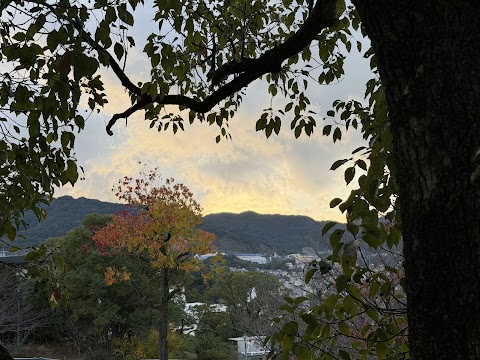
Autumn street trees in Nagasaki, likely ginkgo or zelkova showing golden late-season color. Tidbit: Nagasaki's mild coastal c
Autumn street trees in Nagasaki, likely ginkgo or zelkova showing golden late-season color
Central Nagasaki canal scene, likely along the Nakashima River area near Hamamachi/Sofukuji. Tidbit: Nagasaki's old stone emb
Central Nagasaki canal scene, likely along the Nakashima River area near Hamamachi/Sofukuj
Temple architecture in Nagasaki's Teramachi area near Sofukuji. Tidbit: This district preserves several historic temples tied
Temple architecture in Nagasaki's Teramachi area near Sofukuji. Tidbit: This district pres
POI: Kōfuku-ji Temple Gate
Fun Fact: Founded in 1620 by a Chinese monk, Kōfuku-ji was the first Obaku Zen temple in Japan. Th
POI: Kōfuku-ji Temple Gate Fun Fact: Founded in 1620 by a Chinese monk, Kōfuku-ji was the
POI: Teramachi Hillside Cemetery
Fun Fact: Because of Nagasaki's extremely steep terrain, many of its cemeteries are built on
POI: Teramachi Hillside Cemetery Fun Fact: Because of Nagasaki's extremely steep terrain,
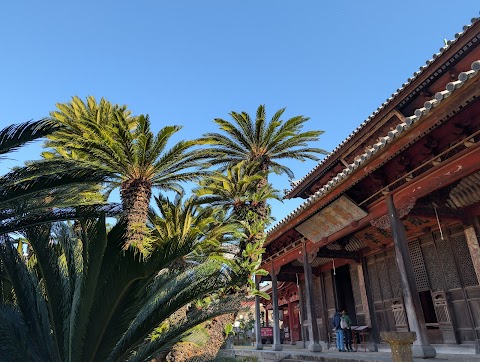
POI: Sōfuku-ji Temple Main Hall
Fun Fact: Sōfuku-ji is famous for its "Daiemon" gate, a designated National Treasure that sta
POI: Sōfuku-ji Temple Main Hall Fun Fact: Sōfuku-ji is famous for its "Daiemon" gate, a de
POI: Sōfuku-ji Temple Main Hall
Fun Fact: Sōfuku-ji is famous for its "Daiemon" gate, a designated National Treasure that sta
POI: Sōfuku-ji Temple Main Hall Fun Fact: Sōfuku-ji is famous for its "Daiemon" gate, a de
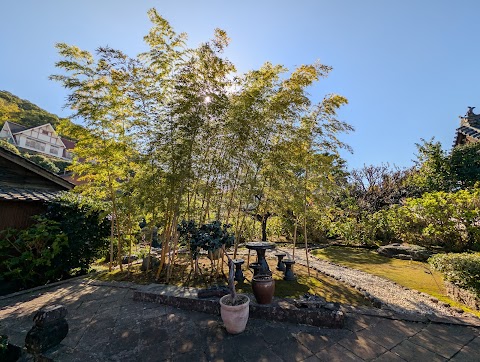
POI: Sōfuku-ji Garden
Fun Fact: The bamboo framing this serene pond is a potent symbol of strength and flexibility in Japanes
POI: Sōfuku-ji Garden Fun Fact: The bamboo framing this serene pond is a potent symbol of
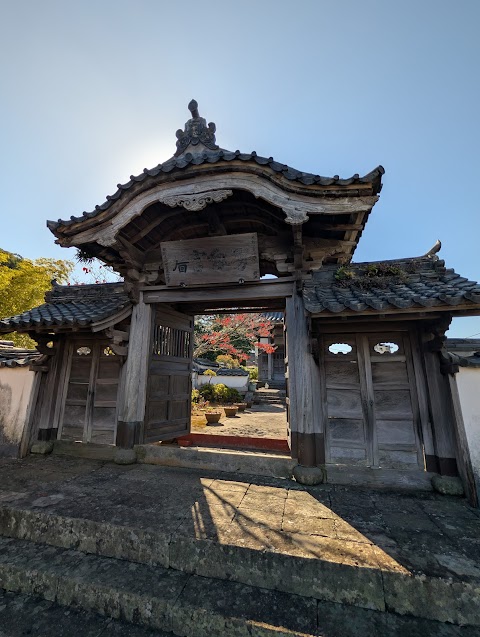
POI: Sōfuku-ji Inner Gate
Fun Fact: This wooden sanmon (mountain gate) represents a symbolic boundary, meant to invite visito
POI: Sōfuku-ji Inner Gate Fun Fact: This wooden sanmon (mountain gate) represents a symbol
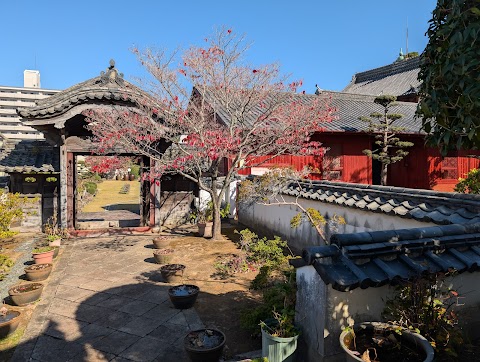
POI: Sōfuku-ji Autumn Courtyard
Fun Fact: The vibrant red Japanese Maples (momiji) in this courtyard are the stars of momijig
POI: Sōfuku-ji Autumn Courtyard Fun Fact: The vibrant red Japanese Maples (momiji) in this
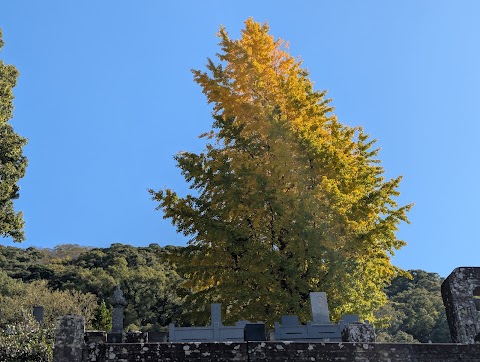
POI: Teramachi Ginkgo Tree
Fun Fact: Ginkgo trees are often referred to as "living fossils" because their species has remaine
POI: Teramachi Ginkgo Tree Fun Fact: Ginkgo trees are often referred to as "living fossils
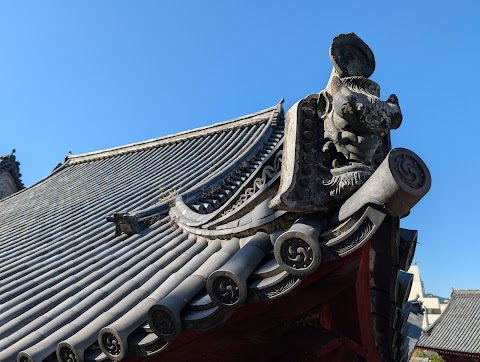
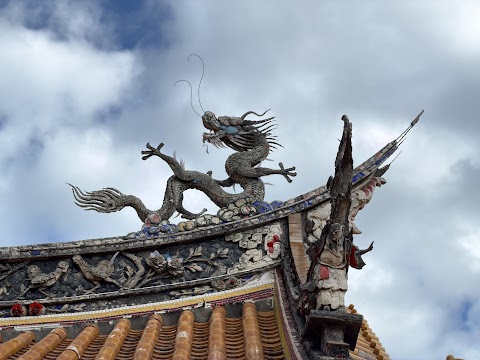
POI: Kōfuku-ji Temple Eaves
Fun Fact: The ornate, curved roofline (karahafu style) isn't just beautiful—it serves a highly pr
POI: Kōfuku-ji Temple Eaves Fun Fact: The ornate, curved roofline (karahafu style) isn't j
POI: Kōfuku-ji Temple Playground
Fun Fact: It is quite common for Japanese Buddhist temples to host community playgrounds or
POI: Kōfuku-ji Temple Playground Fun Fact: It is quite common for Japanese Buddhist temple
POI: Kōfuku-ji Inner Hall
Fun Fact: The temple buildings here feature "Obaku" style architectural details, which are far more
POI: Kōfuku-ji Inner Hall Fun Fact: The temple buildings here feature "Obaku" style archit